


Large Passenger Vehicle for Group Transport Planning
A Large passenger vehicle is often the practical answer when a fleet buyer needs to move many people together without splitting the load across several smaller units. For tour operators, shuttle providers, campuses, factories, and intercity carriers, the main challenge is balancing capacity, visibility, serviceability, and road suitability in one vehicle. The coach-style body shown here addresses that need with a long passenger cabin, full-height side glazing, and a road-ready layout designed for scheduled group movement.
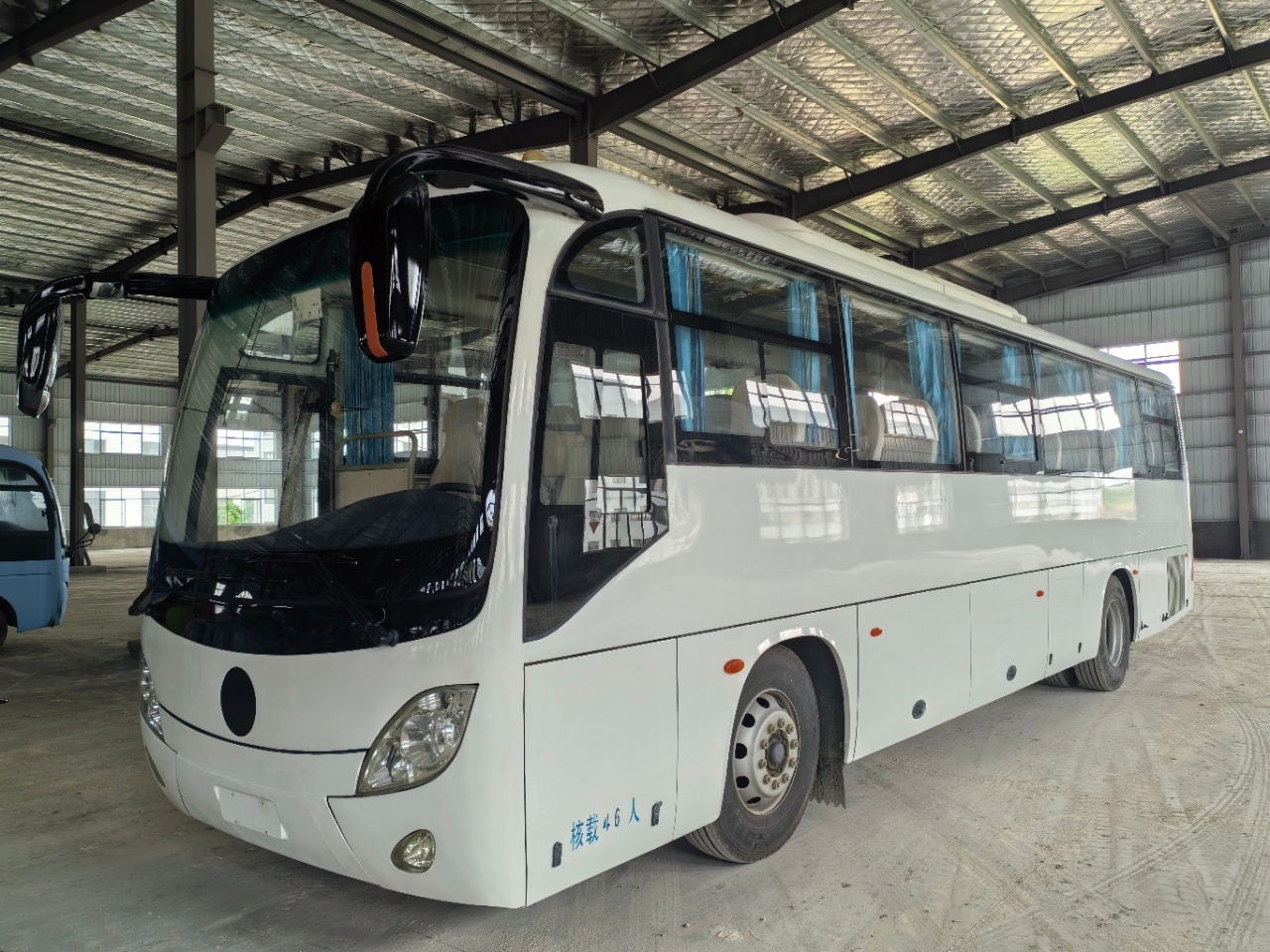
What stands out immediately is the full-size coach format. The long body shell, tinted windows, and high roofline point to a vehicle intended for seated passenger transport rather than cargo. Buyers comparing a 46-seat coach, a medium-sized high-grade coach, or a large intermediate-grade coach will recognize the value of a layout like this: it supports organized boarding, clear passenger sightlines, and a more efficient use of road space for group travel.
Product Overview
This vehicle is a single-deck coach bus or passenger shuttle bus built for road transport. The design suggests a commercial passenger platform with a painted metal/composite exterior, black window surrounds, large side windows, and a rounded front end. The body proportions indicate a long wheelbase and a high-capacity cabin. While the exact OEM, drivetrain, seating count, and interior equipment are not identifiable from the image, the overall configuration is consistent with a fleet vehicle used for charter, shuttle, and route-based passenger service.
For a buyer, the main appeal is straightforward: one vehicle can consolidate transportation, reduce coordination overhead, and keep a group together on the same schedule. That matters when punctuality, passenger comfort, and loading efficiency are more important than luxury branding or niche features.
Key Visible Specifications and Capabilities
Body and Layout
The coach has an elongated rectangular passenger compartment with rounded front and rear corners. The high roofline and long row of side windows indicate a layout optimized for seated passengers rather than standing use. The front entry area is visible near the front side, which is typical for a coach or shuttle configuration. Multiple service panels along the lower body also suggest that maintenance access was considered in the design.
Glazing and Visibility
Large tinted side windows and a tinted rear window support passenger visibility while helping reduce direct sunlight. For tour routes, airport transfers, or campus shuttles, this can improve the ride experience by making the cabin feel less enclosed. The window line also makes the vehicle easier to identify as a passenger unit in a mixed fleet.
Service Access and Maintainability
Visible lower body hatches, rear ventilation grille details, and accessible side panels are practical features for fleet use. They can simplify inspection and routine servicing. A transport buyer should look closely at these details because maintainability often affects uptime more than cosmetic design does.
Materials and Finish Options
The visible exterior appears to use painted metal or composite body panels in a glossy white finish, paired with black trim around the windows and mirrors. Standard road bus components such as glass windows, rubber tires, and wheel assemblies are visible. This kind of finish is common for fleet buses because it offers a clean base for operator branding, route markings, or uniform corporate livery.
Although the image does not confirm alternative trims, commercial coach production commonly allows buyers to specify exterior color schemes, window tint levels, badge placement, mirror housing style, interior trim materials, and seat coverings. If the vehicle is being ordered for a fleet, these choices can be coordinated with the operator’s brand and service environment.
Manufacturing and Assembly Perspective
From a manufacturing standpoint, this type of product typically involves heavy-vehicle body assembly on a commercial chassis platform. The process generally includes frame or body framing, panel installation, glazing, painting, wiring, and interior fit-out. The visible body seams and smooth side surfaces are consistent with commercial bus construction intended to balance durability and appearance.
The rear ventilation area suggests a rear-engine or service-compartment arrangement, but that cannot be confirmed from the image. In practice, buyers should treat the visible body style as a starting point and request the exact build specification before making a procurement decision. For fleet operations, the important point is not only how the bus looks, but how it is assembled, accessed, and supported over time.
Typical Application Scenarios
This type of coach bus suits a wide range of passenger transport tasks. Common use cases include:
- Tour and charter operations for group travel
- Intercity and regional passenger routes
- Employee shuttle services for factories or business parks
- Campus, school, and institutional transport where appropriate
- Airport transfer services and hotel shuttle programs
- Contracted fleet service for events, conferences, and organized trips
Operators often choose a vehicle in this class when the route needs high occupancy, frequent stops, and a cabin that can keep passengers together under one schedule. Compared with using multiple vans, a full-size coach can reduce dispatch complexity and make passenger management more efficient.
Quality Control Considerations for Buyers
Because the image does not provide certification or test data, buyers should focus on standard commercial procurement checks. Confirm body panel fit, paint finish consistency, glass installation quality, door operation, wheel and tire condition, and service access alignment. Inspect the underside and lower body panels for uniformity and verify that the ventilation and access points are properly sealed.
For fleet use, quality control also means checking the seating layout, emergency exits, lighting, HVAC arrangement, and maintenance documentation. Do not assume hidden performance based on appearance alone. A bus can look polished externally while still needing a detailed technical review before deployment.
Customization Guidance
If you are specifying a coach for your route or service model, start with the operating profile. Passenger count, average trip length, climate conditions, boarding frequency, and luggage demand all affect the final configuration. A large intermediate-grade coach may work well for mixed urban and intercity duties, while a 46-seat coach may suit charter or fixed-route needs where seating count is the priority.
Useful customization areas often include seat arrangement, interior materials, HVAC package, window tint level, luggage storage configuration, side signage, wheelchair or accessibility provisions if required, and exterior livery. When ordering for institutional use, make sure the body layout matches the boarding pattern and parking geometry at the destination sites.
Buyer Decision Factors
When evaluating a vehicle like this, the decision should be based on operational fit rather than appearance alone. Ask these questions:
- Does the vehicle size match the expected passenger load?
- Is the body easy to inspect and maintain?
- Will the window arrangement and roof height suit the intended service?
- Can the layout be adapted for charter, shuttle, or intercity work?
- Are the chassis and body specification suitable for the roads you operate on?
For some buyers, the right answer is a single high-capacity coach. For others, a smaller fleet mix is better. The value of this vehicle class is that it can serve many group transport roles while keeping the operation simple.
Why This Large Passenger Vehicle Makes Sense for Fleet Operations
Fleet managers usually want predictable loading, clear passenger visibility, and straightforward upkeep. This coach-style Large passenger vehicle offers exactly that kind of functional package. The long glazed body supports daylight inside the cabin, the exterior panels are arranged for maintenance access, and the overall size is suited to moving organized groups on paved roads.
It is not necessary to overstate the vehicle’s performance to see its business value. In the right application, a well-specified passenger coach can improve route efficiency, reduce the need for multiple smaller vehicles, and present a more professional image to travelers or contract clients.
Request the Right Specification
If you are sourcing a coach for charter service, employee shuttle use, or intercity passenger transport, share your route length, passenger target, luggage needs, and preferred body style before requesting a quote or build proposal. That is the fastest way to determine whether a medium-sized high-grade coach, a 46-seat coach, or another configuration is the best fit.
Send your operating requirements and ask for a detailed specification sheet, available customization options, and current production support. A clear brief helps you get a passenger vehicle that fits the job instead of one that only looks right on the page.