


Zeekr 001 Overview
The Zeekr 001 is aimed at buyers who want a crossover-shaped passenger vehicle that can handle daily commuting, family use, and company transport without looking generic. Its fastback profile, raised ride height, four-door layout, and aerodynamic exterior cues solve a common buyer problem: finding a practical road vehicle that still feels visually distinctive and suitable for urban and suburban driving.
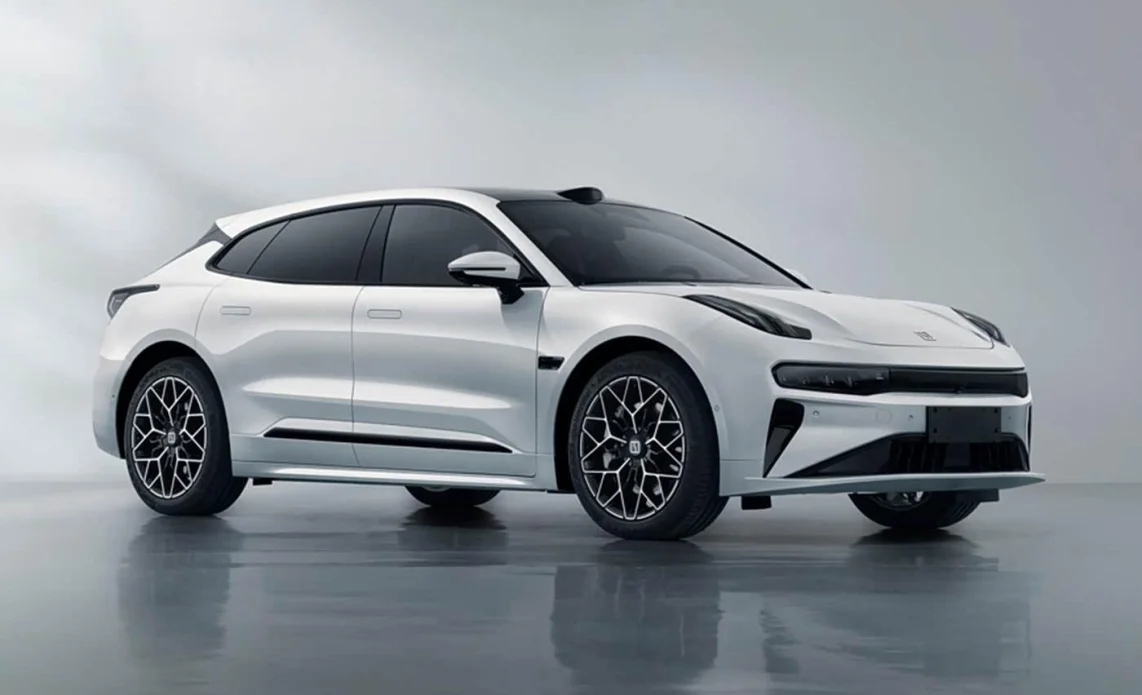
From the visible design alone, the vehicle presents a clean white body with a black roof, dark glass, and a low, planted stance. That combination usually signals a focus on road efficiency, premium appearance, and modern styling. Exact drivetrain details cannot be confirmed from the available data, so the page should be read as a visual and product-reference description rather than a specification sheet with unsupported claims.
Product Reference
This vehicle sits in the compact crossover or SUV-style passenger segment, with proportions that combine a practical cabin shape and a sportier roofline. The short front overhang, sculpted side surfaces, and integrated rear spoiler or roof extension all contribute to a streamlined look. Buyers comparing vehicles in this class are often balancing appearance, everyday usability, and an elevated driving position, and the Zeekr 001 fits that set of priorities well.
The four-door body suggests straightforward access for passengers, while the crossover ride height supports easier entry and exit than a low sedan. That matters for family transport, fleet use, and mixed city driving where curb heights, parking lots, and frequent stops are part of the routine.
Key Visible Capabilities
The following traits are visible or reasonably inferable from the provided image data:
Body layout
It uses a four-door passenger configuration with a sloping fastback-like roofline. The shape reads as more aerodynamic than a conventional boxy SUV, while still preserving the stance and practicality associated with crossover vehicles.
Exterior structure
The front end appears smooth and closed off, with slim headlamp units and minimal grille presence. That styling is often associated with electrified vehicles, but the powertrain cannot be confirmed from the image alone and should not be stated as fact.
Wheel and stance
Large multi-spoke alloy wheels with black and machined silver surfaces give the vehicle a more performance-oriented look. Low-profile tires and pronounced wheel arches reinforce that impression, although visible styling alone does not prove performance capability.
Glass and roof treatment
The contrast between the white body and black roof, along with tinted windows and dark trim, creates a visually continuous upper section. This typically helps the vehicle appear lower and longer than a standard crossover.
Materials and Finish Options
Based on what is visible, the exterior includes painted body panels, black window surrounds, dark glazing, and lower-body trim in black plastic or painted finishes. The wheels are finished in black with machined silver accents. These are common automotive finish choices because they balance visual contrast with durability and ease of maintenance.
For a manufacturing or product page context, the relevant finish discussion should stay at the level of observed materials and typical automotive surface systems. That includes painted sheet-metal or mixed exterior panels, trim pieces around the lower fascia and wheel arches, and glazing integration around the side windows and rear quarter area. Exact substrate composition, coating stack, and corrosion package are not confirmed here and should not be invented.
Manufacturing and Assembly Context
The visible vehicle design implies a standard automotive assembly flow: stamped or formed body panels, body-in-white construction, paint application, glazing installation, trim fitment, wheel and tire mounting, and final assembly checks. Because the exact platform and construction method are unknown, it is safer to describe the process in general terms rather than assign a specific architecture.
In practical terms, buyers and procurement teams usually care less about the hidden production sequence and more about whether the final product shows clean panel alignment, consistent paint finish, proper trim integration, and reliable closure geometry. Those are the kinds of visible quality signals that matter on a product page when detailed engineering data is unavailable.
Application Scenarios
The Zeekr 001 format suits a wide range of road-use scenarios. It is visually aligned with daily commuting, family travel, and company fleet operation, especially where a professional but more expressive vehicle image is preferred over a plain sedan.
In urban use, the raised ride height and crossover packaging are practical for traffic, parking, and stop-and-go travel. In suburban use, the longer roofline and four-door layout support regular passenger transport and day-to-day errands. For fleet buyers, the clean design and premium appearance can help present a more modern image without moving into an overly formal executive-sedan category.
Quality Control Considerations
Without confirmed test data, quality control should be discussed in a general automotive sense. A buyer evaluating a vehicle like this would typically look for paint consistency, panel gap uniformity, trim alignment, headlamp fit, wheel finish quality, and glazing integration. Those details are especially important on a vehicle with strong body sculpting and a contrasting roof, because visual discontinuities are easier to spot.
For procurement or product listing purposes, it is also reasonable to call out basic inspection points such as exterior surface finish, wheel balancing during assembly, and the accuracy of final trim installation. These are standard quality expectations for a passenger vehicle in this segment.
Customization Guidance
If this vehicle is being presented for a commercial buyer, the most defensible customization guidance is centered on exterior and usage configuration rather than unsupported technical claims. Buyers may want different wheel finishes, body color choices, trim color combinations, or fleet-ready exterior branding. Those decisions change the vehicle’s visual identity without requiring any assumption about underlying mechanical specifications.
For a page aimed at decision-makers, it also helps to separate appearance-based options from functional options. Appearance includes paint color, roof contrast, wheel design, and trim color. Functional configuration would depend on the confirmed vehicle specification package, which is not supplied here and should not be guessed.
Buyer Decision Factors
When comparing the Zeekr 001 against other crossover-style passenger vehicles, buyers will usually weigh practicality, styling, and brand fit. The visible fastback shape gives it a more dynamic look than a standard utility vehicle, while the four-door body preserves everyday usability. That combination often appeals to buyers who want one vehicle to serve commuting, family transport, and image-conscious business use.
Another decision factor is whether the design matches the intended operating environment. In dense city traffic, a vehicle with clear outward visibility, manageable proportions, and durable exterior finishes is easier to live with. For company fleets, the clean white body and black roof combination can present a tidy, contemporary appearance that works across multiple use cases.
Because powertrain, dimensions, interior equipment, and safety ratings are not confirmed in the provided data, those elements should be treated as separate decision inputs rather than implied attributes of this listing.
Summary
The Zeekr 001, as shown here, is best understood as a compact crossover-style passenger vehicle with a sporty roofline, visible aerodynamic shaping, and a polished exterior finish. Its value proposition is straightforward: it offers the utility of a four-door elevated vehicle while keeping a more streamlined and modern appearance than many conventional SUVs.
For buyers, the useful questions are practical ones: does the body style fit the intended route profile, does the exterior presentation match the company or personal image, and do the visible build details suggest the level of finish expected for the application?
Request Next Steps
For a formal quote, confirmed specifications, or production-ready configuration details, request the official vehicle data sheet and verify drivetrain, dimensions, interior equipment, safety content, and available options before purchase.