

Geely Galaxy M9 Overview
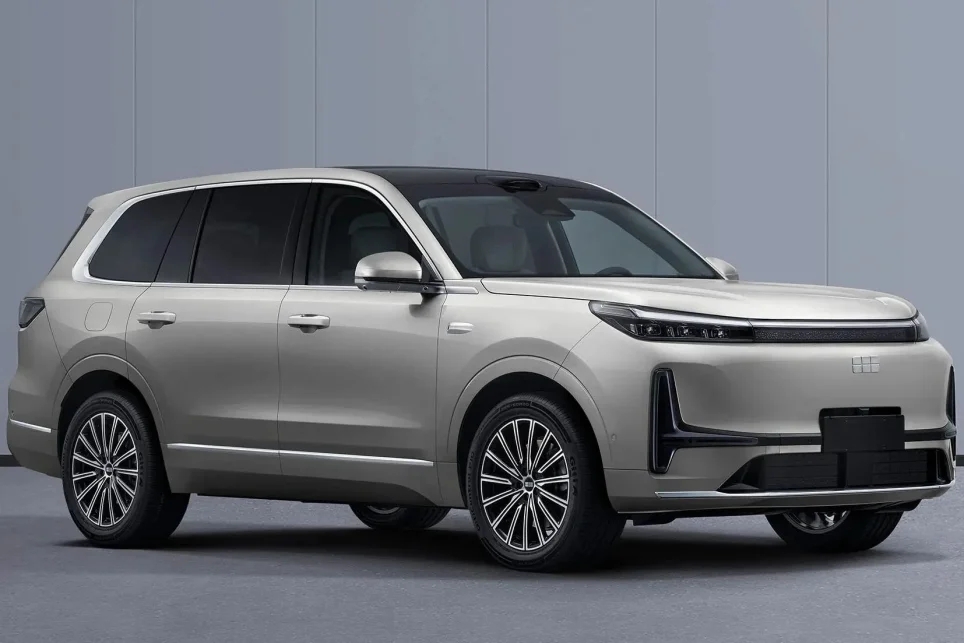
The Geely Galaxy M9 is presented as a full-size SUV / crossover vehicle designed for passenger transport, commuting, and light cargo use. For buyers, the main problem it addresses is straightforward: moving people and everyday luggage in a body style that feels spacious, modern, and practical without giving up road presence or comfort-oriented packaging. Based on the visible exterior cues, it appears to use an electrified-looking front design with a closed-off fascia, slim lighting, and a clean body surface treatment, though the exact powertrain cannot be confirmed from the image alone.
As a road-going family or utility vehicle, this kind of SUV is typically chosen by customers who need a long wheelbase, a tall cabin, and flexible daily usability. It can suit family transportation, executive shuttle service, suburban driving, and private mobility where cargo space and cabin access matter as much as styling.
Product Positioning and Visible Design Features
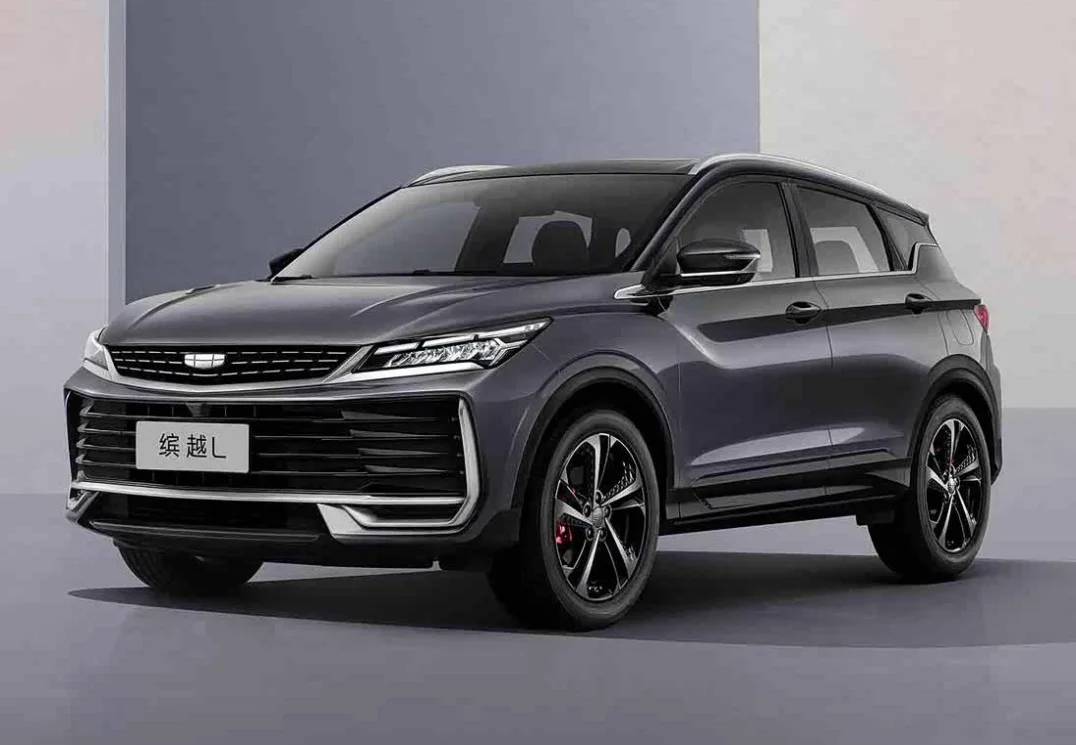
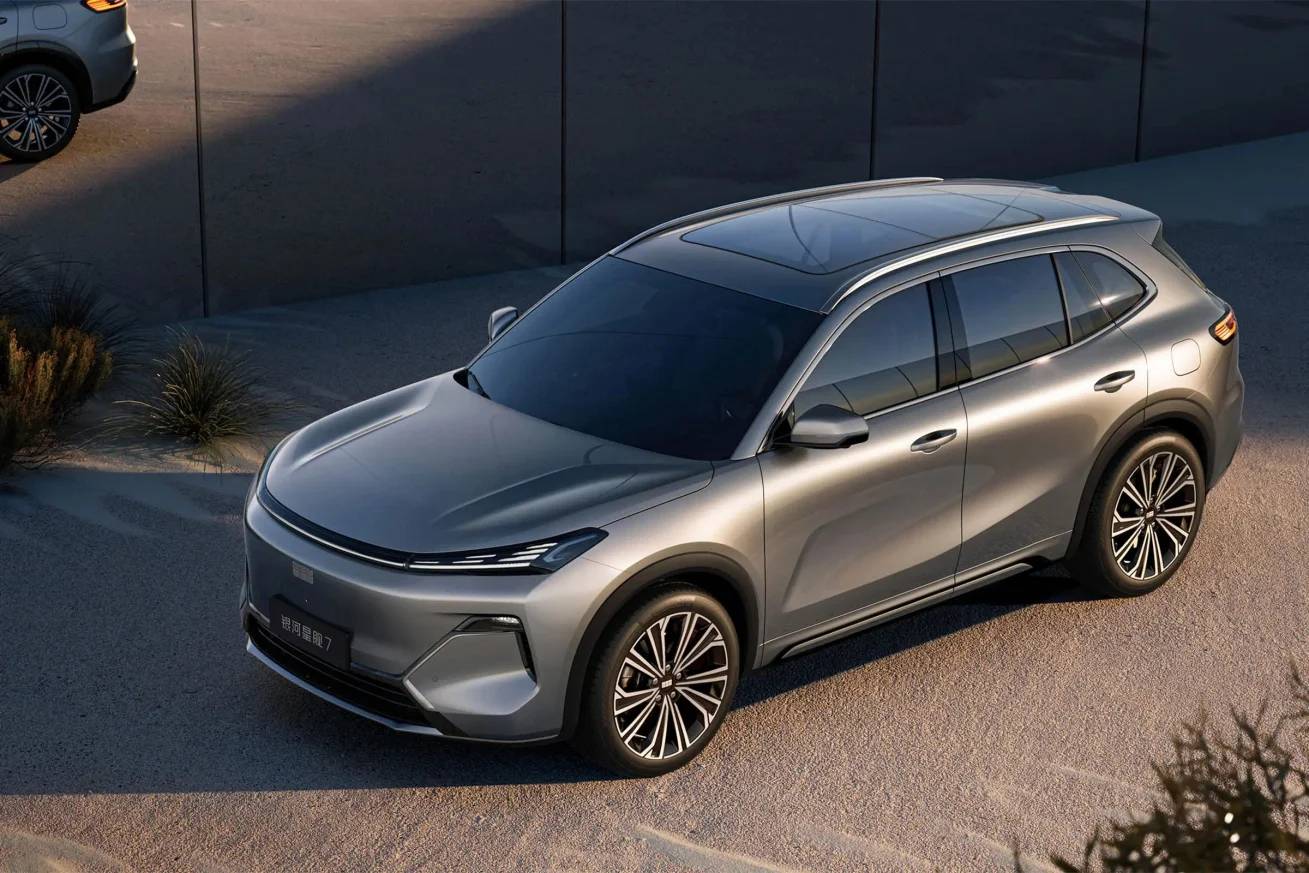
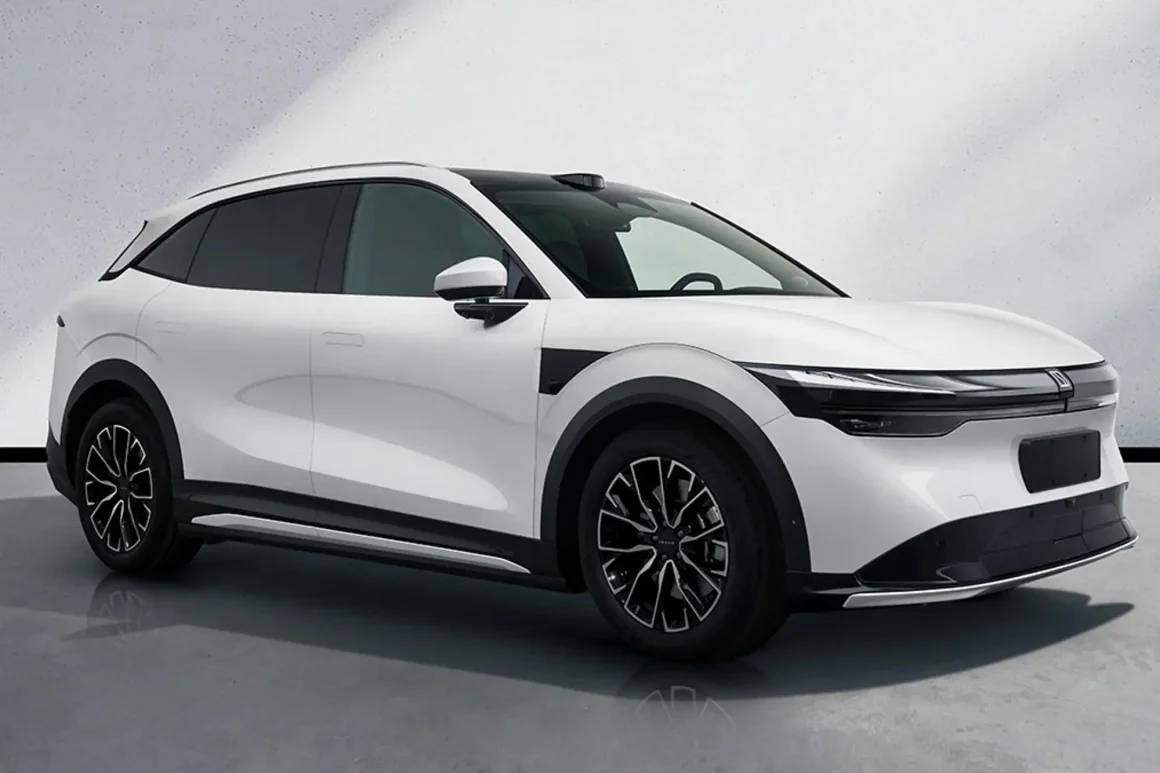
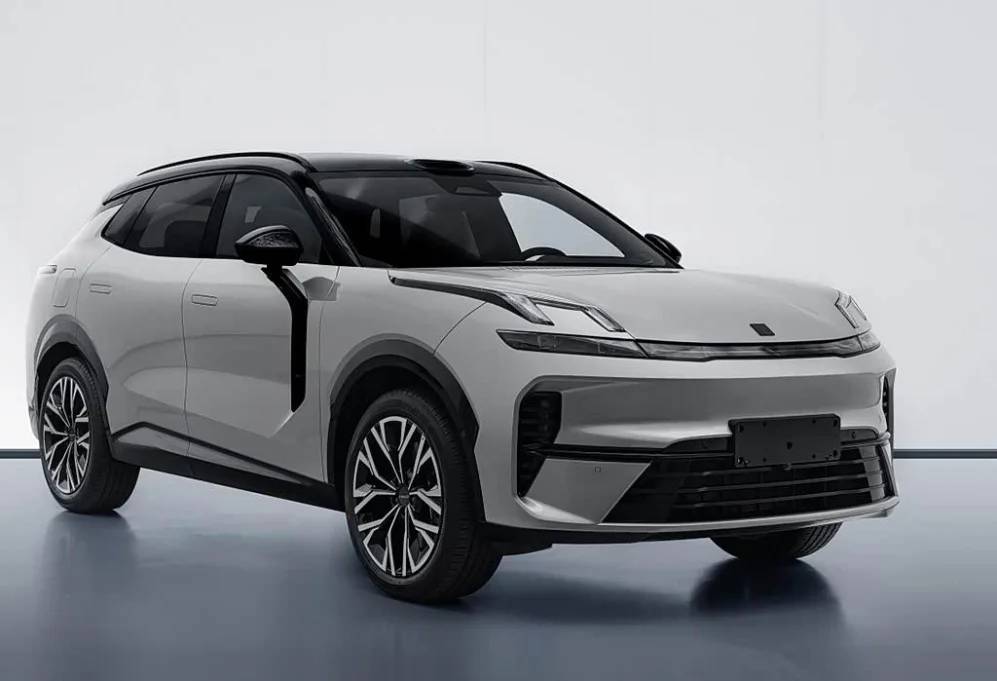
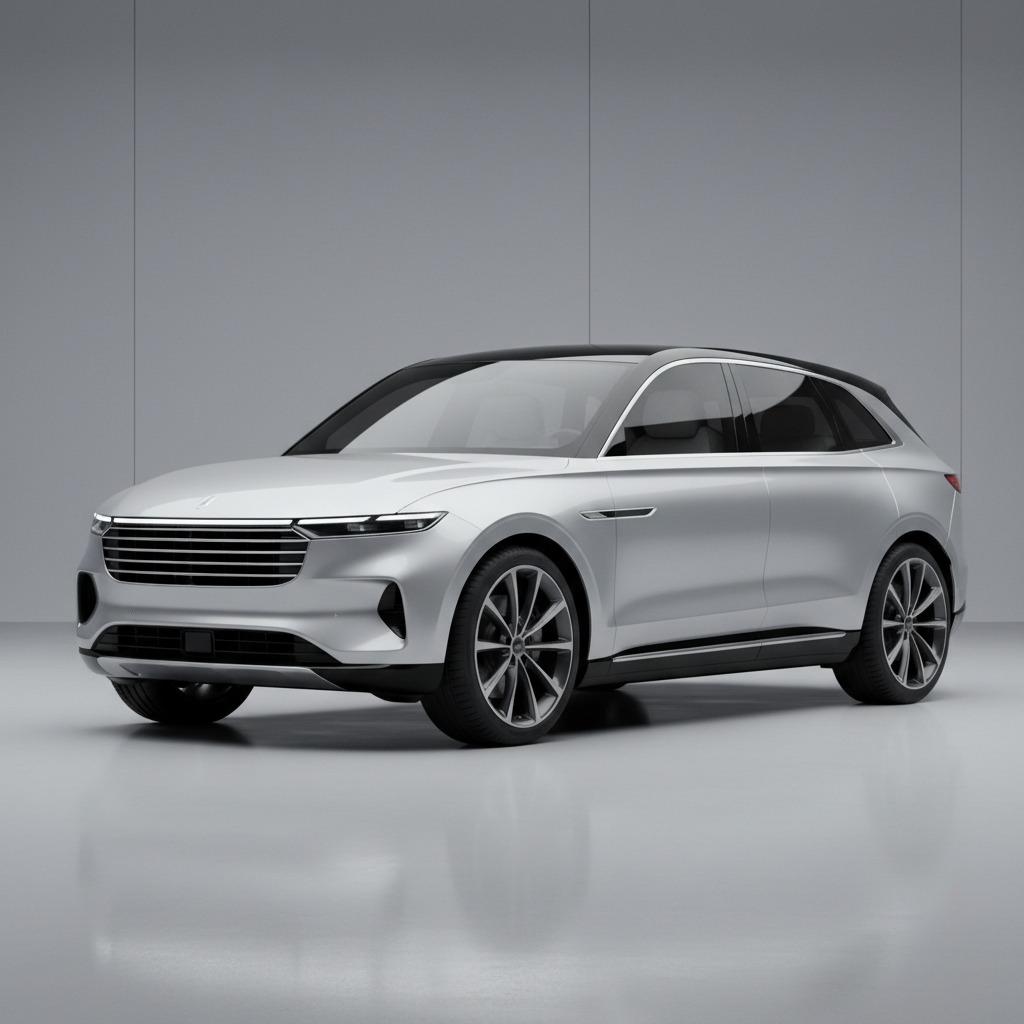
The Geely Galaxy M9 follows the classic two-box SUV silhouette, with a tall stance, long roofline, and large enclosed cabin. The shape suggests a model aimed at comfort and practicality rather than an aggressive off-road look. Its light silver or gray metallic body finish is paired with black roof and window trim, creating a high-contrast appearance that is common in modern premium-oriented utility vehicles.
Several exterior details stand out immediately. The front end uses slim horizontal lighting elements and vertical corner lights, while the grille area appears closed or minimally open. That layout is often associated with EV-style or electrified styling, but the vehicle’s actual drivetrain remains unknown from the image. Multi-spoke alloy wheels, tinted side glass, and body-colored door handles complete the look. Black lower cladding around the body helps visually protect the lower panels and adds a functional, rugged accent.
Key Specifications and Capability Highlights
Because the provided information comes from visible exterior data only, exact technical specifications such as dimensions, seating count, power output, range, or cargo volume should not be assumed. Still, the design communicates several capability signals that matter to buyers evaluating a full-size SUV.
Visible capability points
Long wheelbase appearance for a more generous cabin layout
High ride height for a commanding driving position and easier ingress/egress
Large side mirrors for road visibility and lane awareness
Rear cargo area implied by the long cabin and liftgate-style body structure
Flush or near-flush exterior surfaces that support a cleaner aerodynamic profile
These features are relevant for buyers comparing vehicles in family, executive, or fleet-use segments. A full-size crossover body often provides better passenger comfort and more adaptable storage than smaller SUVs or sedans.
Materials, Finish, and Exterior Construction
The visible construction elements are consistent with mass-produced automotive body manufacturing. Painted metal body panels form the primary structure, with black plastic or coated lower cladding around the lower perimeter. The roof appears finished in black, likely to create a two-tone contrast with the body color. Tinted glass on the side windows adds privacy and helps reduce glare, while the black trim around the windows creates a continuous beltline effect.
Exterior components visible in the image include assembled glass, lights, mirrors, wheels, and exterior handles. The front light signature appears to use LED-style design language, though specific lamp technology is not confirmed. Overall, the vehicle uses a clean, contemporary finish that fits current market expectations for a premium family SUV.
Manufacturing and Assembly Process
Although the exact plant and production system are not provided, a vehicle of this type is typically built through standard automotive mass-production processes. That usually includes stamped body-in-white panels, welding or bonding of the main structure, paint application, glass installation, trim assembly, lighting integration, and final chassis and wheel assembly.
For buyers, this matters because consistent mass-production methods support repeatable fit and finish. The visual alignment of panels, lights, trim, and wheels is an important indicator of manufacturing quality in any modern SUV. The image suggests a design intended for efficient assembly while still delivering a refined exterior appearance.
Application Scenarios
The Geely Galaxy M9 is well suited to several real-world use cases. In family transportation, the tall cabin and large body are helpful for daily school runs, grocery trips, and weekend travel. For executive shuttle use, the vehicle’s restrained styling and roomy profile can support a more formal passenger experience. In fleet or private mobility, a full-size crossover often serves as a practical balance between comfort, image, and utility.
It can also make sense for suburban drivers who want a vehicle with easier access than a low sedan and more flexible storage than a smaller crossover. When rear seats are folded, this type of SUV generally offers expanded cargo flexibility for luggage, boxes, or recreational equipment, though exact cargo dimensions are not available here.
Quality Control Considerations
For a vehicle like the Geely Galaxy M9, quality control should focus on body-panel fit, paint consistency, glass sealing, lighting alignment, wheel finish, and trim attachment. These are the visible areas where manufacturing variation is easiest to notice. Buyers evaluating the vehicle in person should look for even gaps around the doors, consistent color across adjacent panels, and tidy transitions between black trim and painted surfaces.
It is also worth checking the condition of the front lighting elements, mirror housings, and lower cladding, since these parts are exposed to everyday road use. In a full-size SUV, the perceived quality of these visible parts often shapes the overall impression of the vehicle more than any single spec sheet line.
Customization and Configuration Guidance
Since the exact factory options are not provided, customization guidance should stay practical and general. Buyers considering a vehicle in this class usually evaluate wheel style, exterior color, roof finish, window tint level, interior seating layout, and cargo-access needs. Fleet operators may prioritize low-maintenance finishes and easy-clean surfaces, while family buyers may focus on comfort, privacy glass, and flexible seating.
If the vehicle is offered in multiple trims, the decision often comes down to usage pattern. Urban commuters may prefer easier parking and a more restrained wheel design, while long-distance users may choose a specification with higher comfort and more advanced cabin equipment. Because the drivetrain and feature list are not confirmed here, those choices should be verified directly with the seller or manufacturer.
Buyer Decision Factors
When evaluating the Geely Galaxy M9, buyers should focus on the details that can be confirmed from the vehicle’s design and then request the missing technical data before making a purchase decision. Important questions include: Is the powertrain fully electric or another electrified setup? What are the seating and cargo configurations? What dimensions fit the intended parking or garage space? Which trim level includes the desired comfort and safety equipment?
From a visual standpoint, this SUV already communicates several strengths: a spacious body format, modern styling, privacy-oriented glazing, and a premium-looking exterior treatment. Those traits may be enough to narrow the shortlist before moving on to a deeper review of specifications and equipment.
Summary and Next Step
The Geely Galaxy M9 is a full-size SUV / crossover with a modern exterior, family-friendly proportions, and a road-focused practical layout. It appears suited to buyers who need passenger capacity, everyday versatility, and a clean, contemporary design language. While exact technical details are not confirmed in the provided data, the visible body structure, lighting design, and finish clearly place it in the modern utility-vehicle category.
If you are sourcing this model for fleet use, family transport, or market comparison, the next step is to confirm drivetrain, dimensions, seating layout, equipment levels, and supply availability. Contact your sales representative or vehicle supplier for the official specification sheet and configuration options.