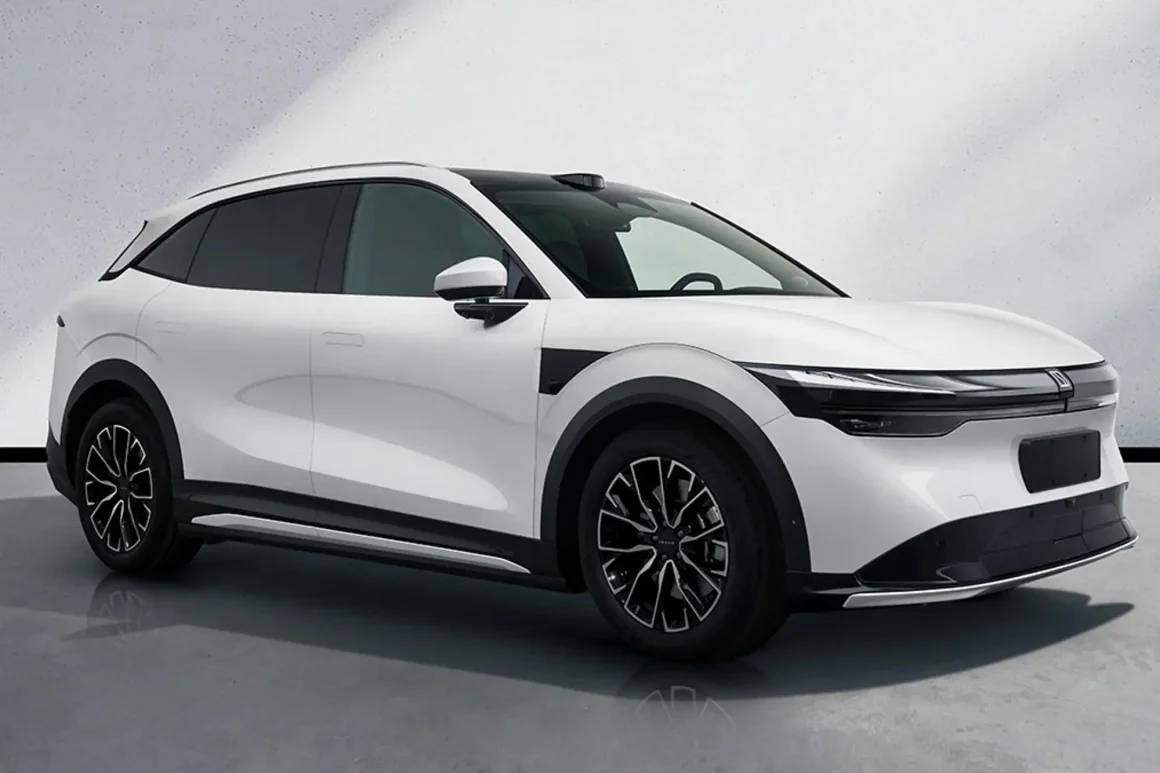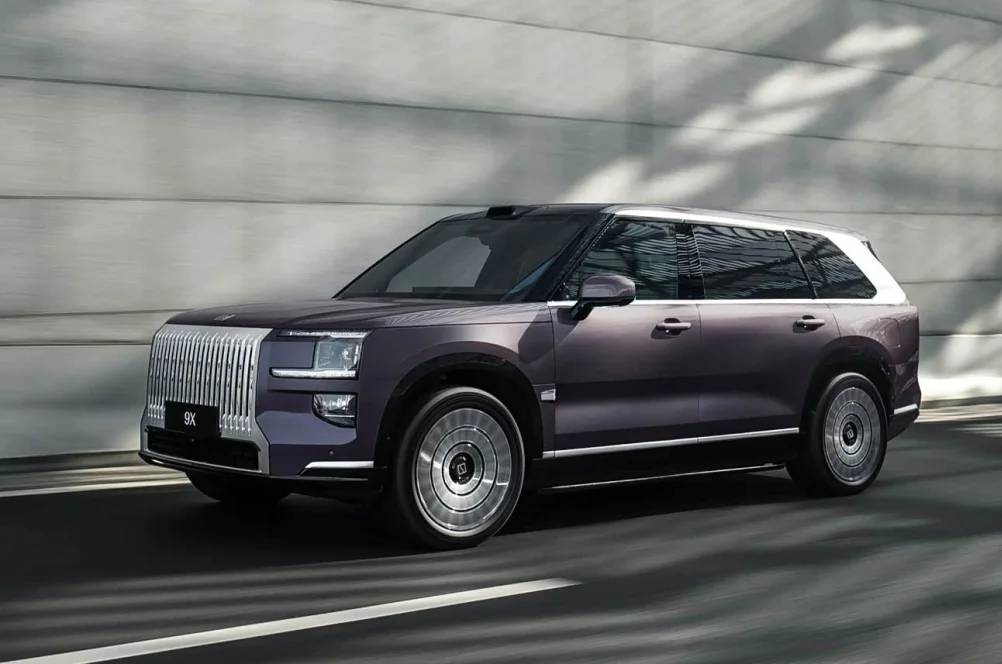


Product Overview
The Geely Galaxy Starship 7 is a mid-size crossover SUV designed for buyers who want a practical passenger vehicle with a raised driving position, flexible cargo space, and a body style suited to both city streets and longer suburban drives. From the visible exterior, it appears to address a common buyer problem: finding one vehicle that can handle commuting, family transport, and occasional light cargo duties without feeling oversized or hard to park.
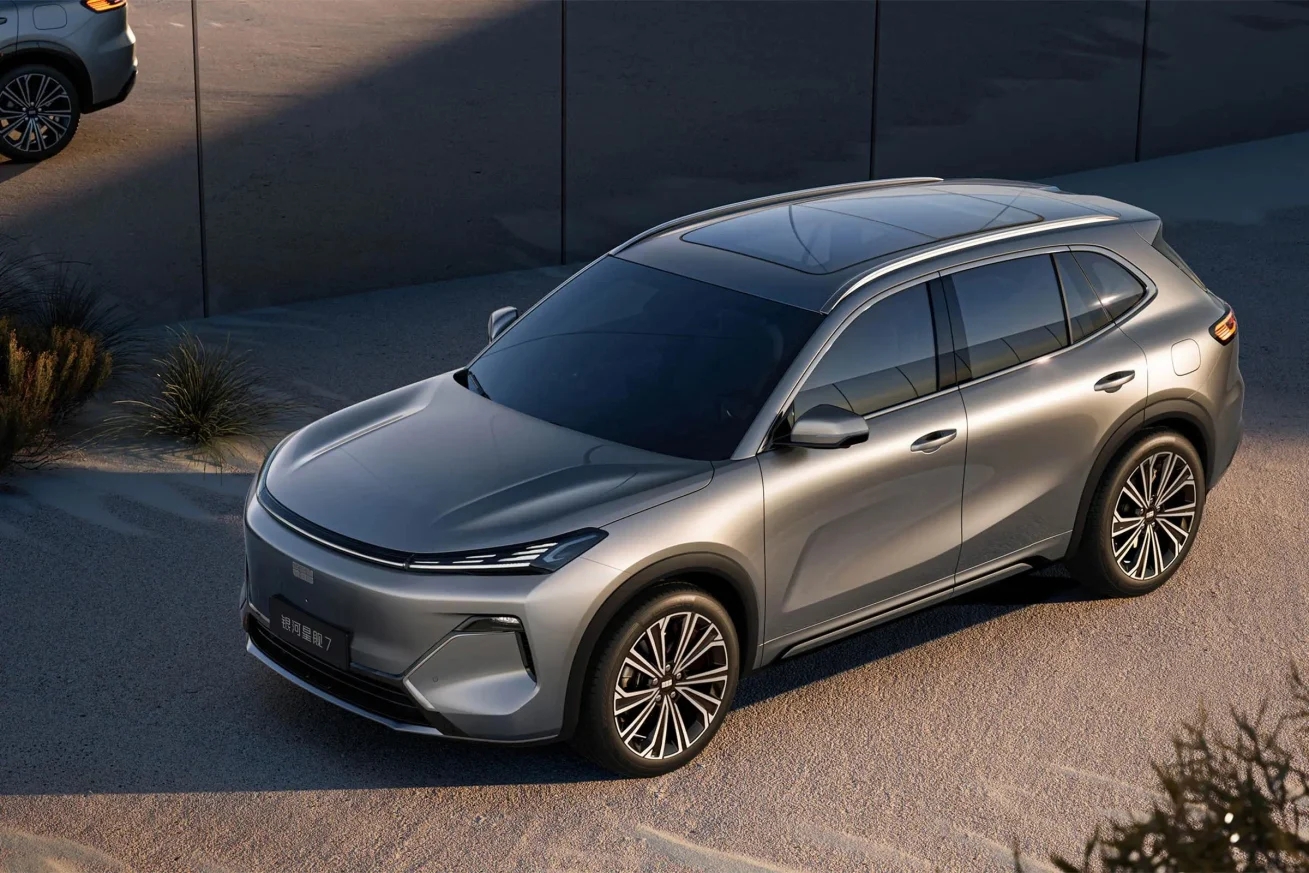
The vehicle shown has a rounded aerodynamic profile, metallic gray painted body panels, slim horizontal headlamps, tinted glass, black lower-body trim, and multi-spoke alloy wheels. Those details point to a modern crossover format built around everyday usability rather than aggressive styling cues. The rear liftback-style cargo area also suggests easier access to the load space compared with a traditional trunk.
Key Specifications and Visible Features
Body style and proportions
This model sits in the crossover SUV category, with compact-to-mid-size proportions and four-door access. The raised ride height gives it a stance that is useful for drivers who prefer a more upright seating position and easier entry and exit than a low sedan typically offers. The sloping roofline helps reduce the bulk of the side profile while keeping the vehicle visually streamlined.
Exterior hardware
Visible elements include body-color or dark-trim side mirrors, large alloy wheels, black wheel-arch cladding, and dark trim along the lower edges of the body. These parts are not just visual details; they also define how the vehicle handles daily road exposure, curb proximity, and general use in mixed driving conditions. The side windows and windshield appear to use dark-tinted glazing, which contributes to the cabin’s visual privacy and reduces the visual mass of the upper body.
Front and rear design cues
The front fascia appears simplified, with a closed-looking grille area and slim lighting units. Because the image does not confirm the powertrain, it is best to treat this as a design cue rather than a technical claim. At the rear, the liftback-style opening suggests practical access for luggage, groceries, tools, or family items that do not fit neatly into a small trunk opening.
Materials and Finish Options
The visible construction appears to combine painted metal exterior panels, glass surfaces, plastic lower-body cladding, and alloy wheels. That is a standard and durable material mix for a crossover SUV. The metallic gray finish is a practical choice for buyers who want a color that hides light road dust better than very dark paint while still presenting a polished, professional look.
Black trim around the wheel arches and lower body helps protect visually exposed areas from the appearance of chips and scuffs. Tinted glass improves the look of the upper cabin section and can contribute to a calmer visual impression from the outside. If the vehicle is offered in multiple trim levels, buyers typically look for finish variations in wheel design, exterior trim color, roof detailing, and glass tint, but those options are not confirmed here.
Manufacturing and Assembly
Vehicles in this class are generally produced through a sequence of body stamping, welding, painting, glazing, and trim installation. The body shell starts as stamped metal panels that are joined into a rigid structure, then coated and finished to provide corrosion resistance and exterior appearance. After painting, the glazing, lights, mirrors, wheels, and decorative trim are installed during final assembly.
If the Geely Galaxy Starship 7 is built as an electrified model, there would also be drivetrain and electrical system integration during assembly. That cannot be verified from the image alone, so it should be treated as a possibility rather than a specification. What is visible is enough to identify it as a modern mass-production automotive product with a refined exterior finish and a conventional crossover body architecture.
Application Scenarios
The strongest use case for the Geely Galaxy Starship 7 is everyday transportation. Commuters benefit from the higher seating position and easier visibility that crossovers usually provide. Families can use the rear seat area and cargo opening for school runs, shopping trips, sports gear, and luggage. The body shape also suits light road-trip travel, where passengers want comfort and the driver wants a vehicle that feels stable and easy to manage.
For urban use, the crossover format is helpful in parking lots, curbside loading, and stop-and-go traffic. On suburban roads, the combination of broader proportions and a planted stance can make the vehicle feel more confident than a compact hatchback. It is a general-purpose vehicle rather than a specialized utility platform, which is exactly why this segment is widely chosen.
Quality Control Considerations
When evaluating a vehicle like this, buyers usually look at visible panel alignment, paint consistency, glass fitment, wheel finish, and trim integration. These checks matter because they indicate how carefully the body was assembled and how well exterior parts were matched during production. Even without technical test data, a clean fit between lamps, body panels, and surrounding trim is a practical sign of build discipline.
Other quality factors are less visible in the image but still important in a real purchasing decision: door closing feel, wind noise control, suspension tuning, braking consistency, and long-term finish durability. Since those details are not supplied, they should be assessed through inspection, test driving, and the manufacturer’s official documentation rather than assumed from appearance alone.
Customization Guidance
For a buyer or dealer configuring this vehicle, the main customization decisions usually start with exterior finish, wheel design, lighting detail, and trim level. Metallic paint choices affect how the vehicle presents in daily use and how readily it shows dust or minor marks. Wheel selection also changes the overall character of the car, since spoke pattern and size influence both appearance and road presence.
Practical configuration decisions matter as much as visual ones. Buyers should consider whether they need roof storage compatibility, easier rear cargo access, privacy glass, or a trim package with more comfort-focused details. If the model is offered in multiple drivetrain versions, that choice should be made based on driving pattern, charging or fueling access, and expected cargo and passenger use. Because the exact powertrain is not confirmed, those decisions need to be tied to the official vehicle specification rather than this image.
Buyer Decision Factors
When comparing the Geely Galaxy Starship 7 with other crossover SUVs, the key questions are straightforward. Does the vehicle provide enough rear seat room for regular passengers? Is the cargo opening practical for daily loading? Does the raised body shape suit parking, visibility, and comfort preferences? Are the exterior materials and trim details appropriate for the intended use?
For fleet buyers and private owners alike, the most useful decision criteria are not styling slogans but durability, service support, and fit for routine driving. The visible design suggests a vehicle aimed at broad-use passenger transport, so the final buying decision should depend on the official equipment list, powertrain details, and warranty terms supplied by the seller or manufacturer.
Why This Format Works for Buyers
A crossover like the Geely Galaxy Starship 7 occupies a useful middle ground. It offers the practicality of a larger vehicle without the footprint of a full-size SUV. It can support commuting, family trips, and light cargo work while maintaining a polished exterior profile. That balance is what many buyers are after when they start shopping in this segment.
The visible design language also matters. Slim lamps, tinted glass, alloy wheels, and dark lower-body protection give the vehicle a contemporary appearance that is easy to live with over time. The look is restrained rather than flashy, which usually suits buyers who care more about utility and long-term usability than novelty.
Contact and Next Steps
If you are evaluating the Geely Galaxy Starship 7 for procurement, retail listing, or product page use, confirm the final specification sheet before publishing any technical claims. Verify the powertrain, dimensions, seating capacity, equipment list, and market-specific options directly from the source materials. That keeps the product presentation accurate and prevents overstatement.
For purchase inquiries, dealer sourcing, or catalog preparation, request the official model specification, available trims, and image assets from the supplier. That will let you match the vehicle’s real configuration to the audience it is meant to serve.