

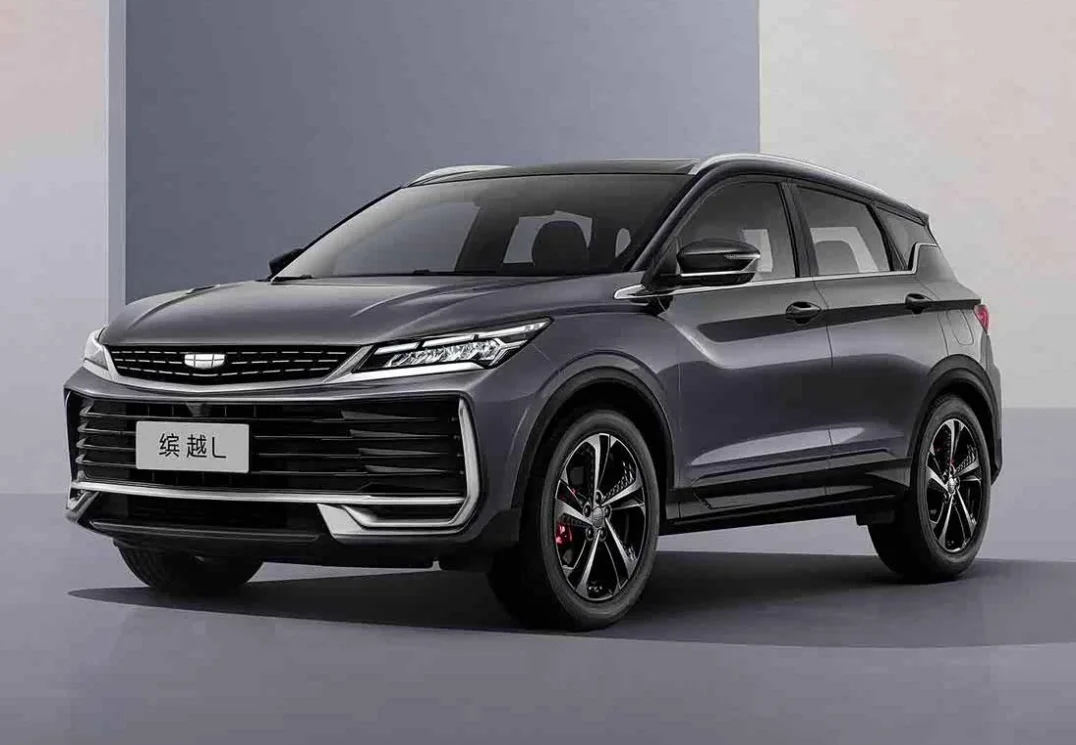
Geely Binyue L Overview
The Geely Binyue L is a compact SUV designed for buyers who need a practical vehicle for daily commuting, small-family travel, and mixed urban-suburban driving. From the visible exterior cues, it addresses a common buyer problem: finding a passenger vehicle that offers easier entry than a sedan, a higher driving position, and a cabin shape that can support everyday road use without moving into a much larger footprint. The four-door body, raised stance, and enclosed cabin make it a straightforward option for people who want a road-oriented crossover format.
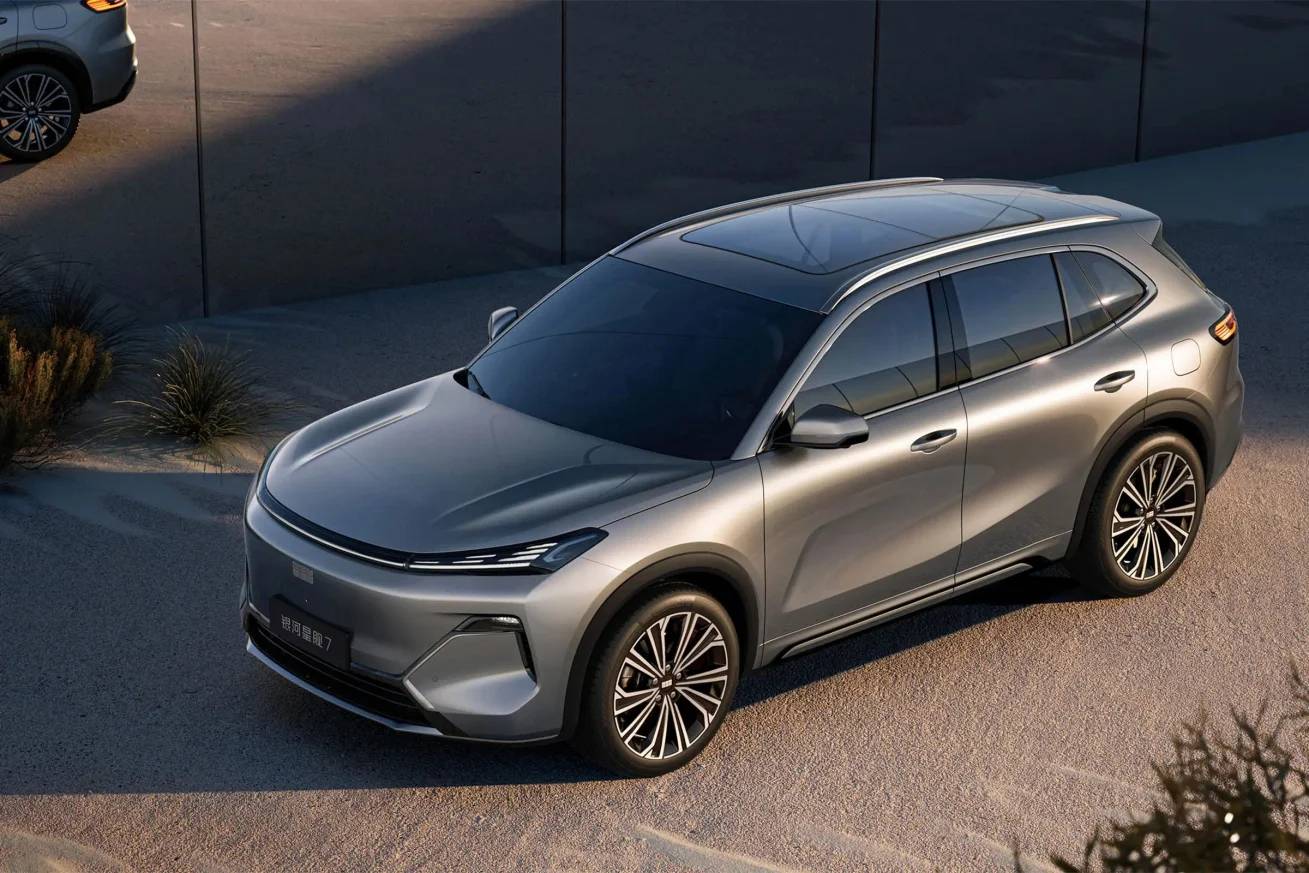
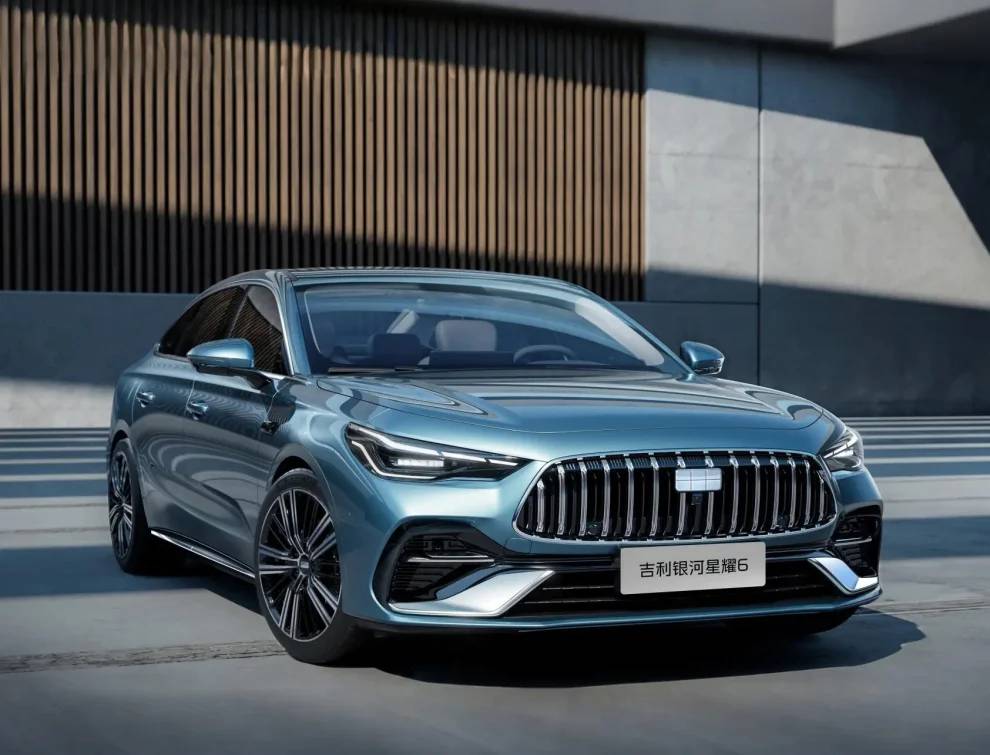
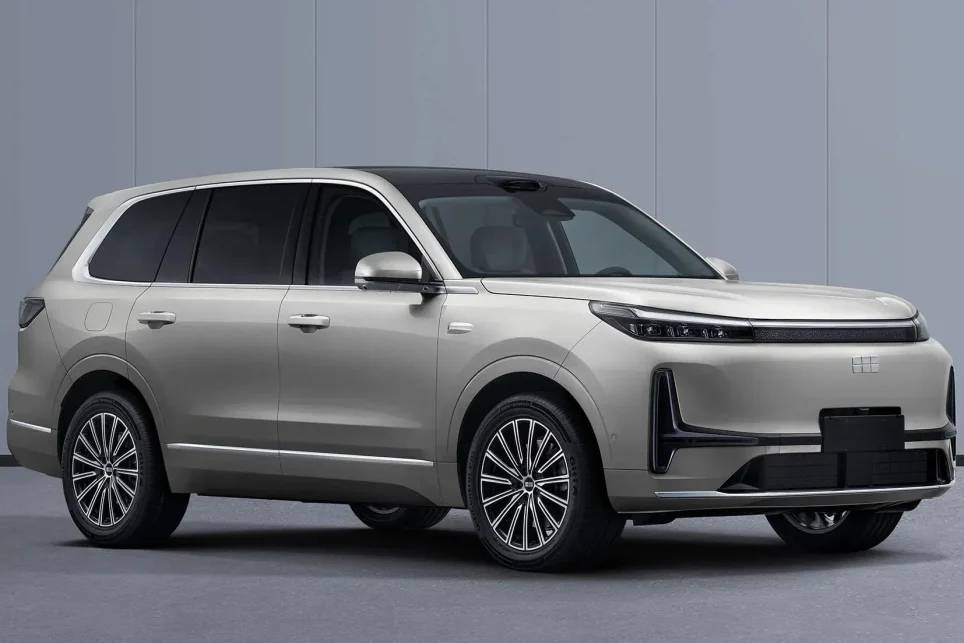
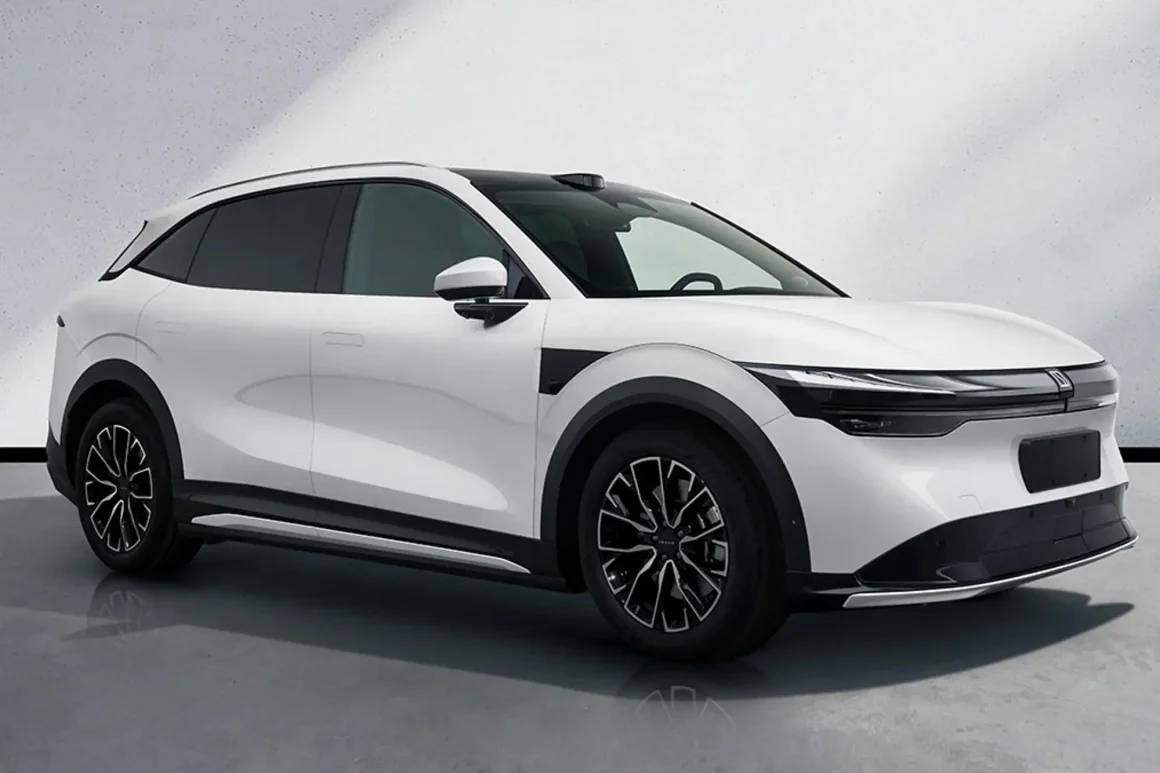
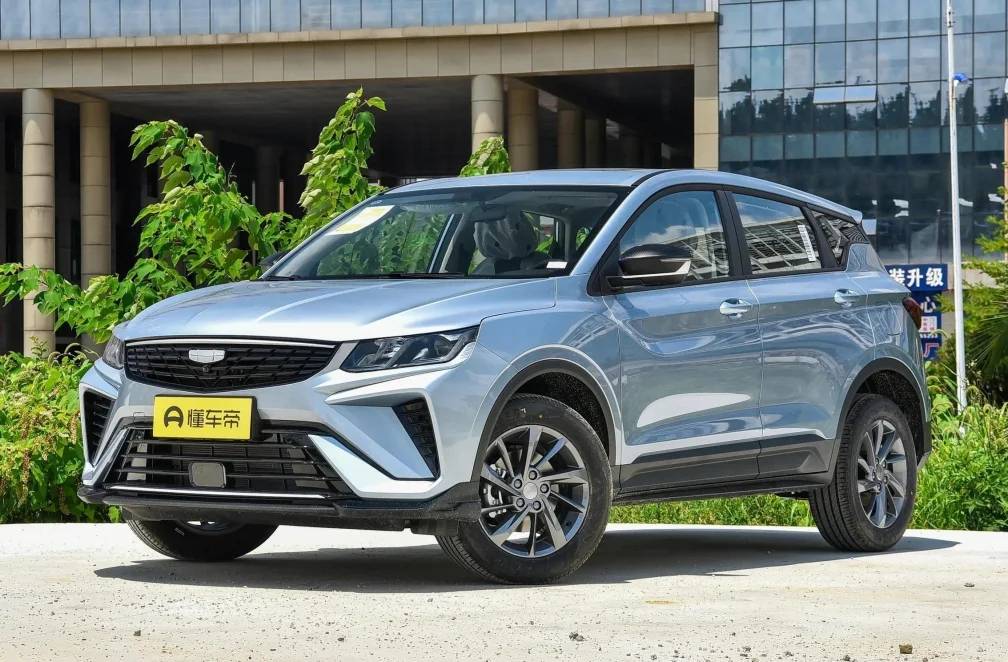
Based on the image, this model presents a dark gray metallic body finish, black alloy wheels, tinted glazing, and chrome-silver trim accents at the front fascia and lower bumper. The front end uses narrow LED-style headlamps and a prominent grille area, which gives the vehicle a modern crossover appearance. The plate area shows the Chinese text “缤越,” but exact model year, powertrain, and trim level are not verifiable from the image alone.
Product Reference Summary
As a vehicle category, the Geely Binyue L belongs to the compact/mid-size crossover SUV segment. That means the structure is built around a passenger-car-style body with SUV-like proportions. It is intended for road use rather than off-road work, and the visible configuration suggests a balance between compact maneuverability and everyday practicality.
For buyers, this kind of product is often evaluated on visibility, cabin access, exterior durability, styling, and suitability for repeated city driving. The image supports those expectations: the body has four doors, a sloping roofline, and a clean side profile that should be easy to place in traffic and parking environments. Because the image does not reveal the cabin, engine, or chassis details, any deeper performance assessment would require official specification data.
Visible Design and Construction Features
Exterior body layout
The vehicle shows a conventional crossover SUV silhouette with a raised ride height and a large enclosed passenger compartment. The four-door format is a practical choice for everyday use, especially where rear-seat access matters. The roofline slopes gently toward the back, which usually helps reduce visual bulk while keeping the SUV profile recognizable.
The body panels appear painted in a dark gray or charcoal metallic finish. This type of finish is commonly chosen for fleet vehicles and private-use cars alike because it can look clean in a variety of lighting conditions and is less visually demanding than brighter colors. The visible panel gaps, door shapes, and body surfacing point to standard mass-production automotive assembly using stamped metal panels and molded exterior components.
Front fascia and lighting
The front fascia uses a prominent grille opening with chrome or silver surround details. Narrow LED-style headlamps sit on either side, creating a sharper front-end appearance. The lower bumper area includes additional silver accents, which help visually break up the darker body color. These features are useful for buyers who want a vehicle that looks more upscale without moving into a premium-price segment.
Because the image is exterior-only, it is not possible to confirm headlamp technology, adaptive functions, or actual lighting performance. The visible lamp signature does, however, indicate a contemporary design language that is now common in urban crossover models.
Wheels, glazing, and trim
The vehicle is fitted with black alloy wheels in a five-spoke-style layout. Alloy wheels are often selected for their combination of styling and weight efficiency compared with basic steel wheels. The dark tinted windows suggest privacy glass or dark glazing treatment, which can improve visual privacy and reduce direct sun exposure. Chrome/silver trim accents around the nose and lower bumper add contrast to the dark exterior theme.
These visible features suggest a trim presentation that aims to be practical but not plain. For buyers comparing compact SUVs, that balance can matter as much as equipment count because exterior design strongly affects first impressions in retail, ride-hailing, and fleet contexts.
Likely Manufacturing and Assembly Characteristics
From a manufacturing standpoint, the Geely Binyue L appears to follow a standard mass-produced automotive process. That would typically include stamped body panels, welded body-in-white assembly, painted outer surfaces, molded plastic front fascia parts, glass glazing, and installed alloy wheels. This is consistent with modern crossover production, where separate material systems are combined to achieve structure, styling, and durability.
Exact platform architecture, material grades, and fabrication details cannot be confirmed from the image. It would not be responsible to claim special body alloys, advanced coating systems, or reinforced structural features without source data. What can be stated is that the vehicle visibly follows conventional automotive manufacturing logic and is intended for roadgoing passenger service.
Materials and Finish Options Visible in the Image
The image shows several distinct finish elements that are relevant to buyers:
Dark metallic painted body panels provide a refined base appearance and are likely chosen for broad market appeal.
Black alloy wheels create contrast and give the vehicle a more assertive stance.
Dark tinted side and rear glazing adds privacy and a slightly premium look.
Chrome/silver trim around the front and lower body area prevents the design from feeling too heavy in dark colors.
These are exterior-visible finishes only. Interior materials, seat upholstery, and dashboard trim cannot be verified from the provided data.
Use Scenarios and Buyer Applications
The Geely Binyue L is well matched to a range of everyday use cases. For commuters, the crossover shape typically offers a higher seating position and easy door access. For small families, the four-door body and enclosed cabin style are useful for school runs, errands, and weekend travel. For rideshare or fleet use, the model’s clean design and practical footprint may be attractive where passenger comfort and low operating complexity are important.
It is also suitable for general suburban driving where parking space, road visibility, and daily maneuverability matter. The image does not show any off-road hardware, so this should be treated as a road-focused passenger vehicle rather than a rugged utility SUV.
Quality Control Considerations
For a vehicle in this class, quality control normally centers on body panel alignment, paint consistency, glazing installation, wheel fitment, lighting assembly, and exterior trim attachment. Buyers evaluating a unit should inspect the uniformity of gaps around the hood, doors, and bumper sections. Paint depth and surface smoothness are also worth checking, especially on dark metallic finishes where scratches and swirl marks are easier to notice.
Since no certification data, crash results, or durability test outcomes were supplied, those topics should be confirmed directly through official documentation from the seller or manufacturer. The image alone is not enough to verify safety performance or long-term reliability claims.
Customization and Configuration Guidance
For customers sourcing this vehicle through a dealership, distributor, or fleet channel, customization should focus on legal and practical items rather than visual excess. Typical decisions may include wheel finish, window tint level where permitted, trim package selection, and service-oriented options for fleet operators. If the vehicle is being purchased for urban fleet use, buyers often prioritize easy maintenance access, standardization across units, and simple exterior colors that hold up well in service.
Because exact powertrain, drivetrain, and equipment specifications are not shown, any configuration decision should begin with the official model sheet. Confirm the seating layout, fuel or energy type, transmission, infotainment package, and safety equipment before comparing trims.
Buyer Decision Factors
When evaluating the Geely Binyue L, the most important factors are practical rather than purely aesthetic. Buyers should consider body size relative to parking and road conditions, rear-seat accessibility, luggage needs, and the intended driving environment. If the vehicle will be used mainly in city traffic, compact crossover proportions can be an advantage. If it will be used for longer highway trips, official engine and comfort specifications become essential.
Exterior details visible in the image suggest a model positioned to appeal to buyers who want a modern look, a useful cabin format, and a road-friendly SUV stance. The dark color, black wheels, and chrome accents create a balanced appearance that can work in private or commercial settings.
Request Official Specifications
If you are sourcing the Geely Binyue L for retail, fleet, or regional distribution, use the visible exterior as a starting point and request the full specification sheet before placing an order. Confirm dimensions, seating configuration, drivetrain, safety equipment, and available options directly with the supplier. For procurement teams, that step matters more than styling alone because it determines compliance, operating cost, and end-user suitability.
Contact your sales or supply representative to request the latest configuration details, trim availability, and delivery documentation for the exact version you need.