


Lynk & Co 900: what buyers are really trying to understand
The search around Lynk & Co 900 is usually not about brand curiosity alone. Buyers are trying to answer a more practical question: does this large SUV fit the way a family or fleet will actually use it? For many readers, the decision sits at the intersection of space, seating flexibility, in-cabin technology, and the less glamorous details such as access, packaging efficiency, and how well a full-size vehicle behaves in daily traffic.
That is why a useful review of the 领克900 SUV should not stop at styling talk. The real issue is whether the vehicle’s size, layout, and feature set solve a transportation problem cleanly enough to justify the purchase. In this segment, a few centimeters of cabin room can matter more than a headline feature, and a complicated interface can age faster than exterior design. Buyers also tend to ask about 领克900 配置 because trim and equipment structure often determine whether the car feels premium in practice or merely looks the part on paper.
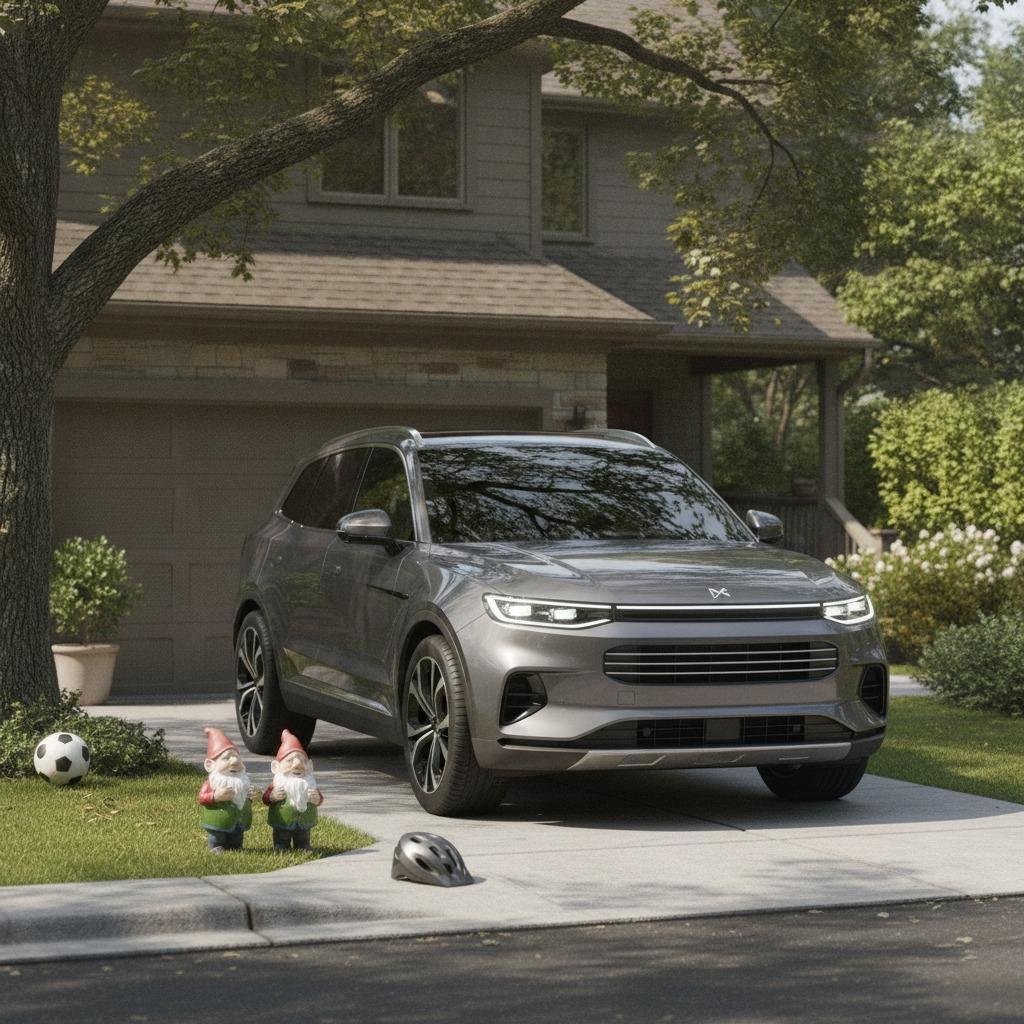
Why this vehicle category matters
Large SUVs live under more pressure than most segments. They have to do long-distance family duty, city commuting, school runs, weekend luggage hauling, and sometimes light business transport. At the same time, they must remain manageable in parking garages and not feel wasteful in everyday use. That balancing act is where many products succeed or stumble.
For a vehicle like Lynk & Co 900, the market will judge it on a few concrete questions. Is the cabin truly spacious in the third row, or only acceptable for short trips? Does the seating layout make sense for adults as well as children? Are the controls intuitive enough that the driver is not buried in menus for simple tasks? Those issues matter because they affect ownership fatigue, not just showroom appeal.
Quick buyer takeaways before you compare trims
If you are narrowing choices in the large SUV category, it helps to think in practical terms rather than brochure terms.
The first thing to check is whether the interior packaging matches your real passenger load. A long wheelbase and a tall body do not automatically translate into easy ingress, usable third-row room, or flexible cargo management. The second is whether the equipment bundle supports your daily habits: child seats, phone charging, ventilation, connected functions, and driver-assistance systems that reduce stress instead of adding screen clutter. The third is ownership fit. A well-equipped full-size SUV can look compelling, but if its interface is overcomplicated, that novelty fades quickly.
This is where 领克900 配置 becomes more than a spec-sheet phrase. Buyers should separate the features they will use every week from the ones that only impress at delivery. Heated and ventilated seating, practical storage, cabin materials that hold up to wear, and easy-to-clean surfaces often matter more than a long list of rarely used digital tricks.
What a technical evaluation should focus on
1. Space efficiency, not just external dimensions
When evaluating Lynk & Co 900, external size is only the starting point. A large SUV can still feel inefficient if the dashboard structure, seat rails, and rear packaging consume too much usable volume. Engineers and procurement-minded buyers should look at how much of the body footprint turns into real passenger space. Headroom, knee room, and aisle access to the third row are more important than a general “big cabin” impression.
One practical caution: third-row usability is often described in flattering terms during launch periods. Real-world comfort depends on seat cushion height, floor height, and the recline range of the second row. If you routinely carry adults in the back, test that arrangement in person. No amount of screen resolution fixes a cramped seating posture.
2. Seating configuration and daily flexibility
In this class, the best layout is usually the one that adapts without drama. If the rear seats fold flat, slide easily, or permit reasonable cargo/passenger tradeoffs, the vehicle is easier to live with. Families need this more than they admit at first. So do fleet operators who carry people on some days and equipment on others.
For the 领克900 SUV, the most important question is whether the cabin supports a mix of use cases without forcing repeated compromise. Can the middle row be adjusted quickly? Is entry to the rear row simple enough that passengers do not have to twist and duck awkwardly? Does the cargo area remain useful when all seats are occupied? These are the details that decide whether a large SUV is genuinely versatile or merely large.
3. Control logic and interface discipline
Modern SUVs often carry too much technology for their own good. The issue is not whether the system is advanced; it is whether it is logically arranged. Buyers should assess the learning curve for core functions: climate, navigation, media, seat adjustment, and safety settings. If common actions require too many taps, the cabin becomes more tiring over time.
In a vehicle like Lynk & Co 900, a good interface should reduce attention load rather than compete for it. That includes clear iconography, predictable menu depth, and enough physical or tactile support for high-frequency actions. A clean screen is nice. A sensible operating philosophy is better.
How buyers should read the configuration sheet
When reviewing 领克900 配置, the best approach is to sort features into three buckets: must-have, nice-to-have, and marketing noise. That sounds plain, but it saves money and frustration.
Must-have items are the ones that affect daily comfort or safety. In a large SUV, these often include seat comfort, visibility support, climate performance, and driver-assistance functions that are stable rather than flashy. Nice-to-have items are quality-of-life upgrades such as ambient lighting, premium audio, additional charging points, or flexible entertainment options. Marketing noise is the long tail of features that sound impressive yet have little bearing on ownership satisfaction.
This is also where buyers should be cautious about judging by trim names alone. In many vehicle lines, the gap between trims is not just about convenience features; it may also involve battery or powertrain choices, seating layout, wheel size, or software functions. If those details matter to your use case, compare line by line instead of relying on the headline trim label.
Common mistakes buyers make in this segment
One mistake is treating all large SUVs as interchangeable. They are not. Two vehicles of similar size can feel completely different once you factor in seat geometry, visibility, and the way the chassis handles stop-and-go use. Another mistake is overvaluing occasional-use features while underestimating the daily burden of cumbersome controls or poor storage design.
A second mistake is ignoring the loading and parking reality of the vehicle. A full-size SUV may be easy to admire and less pleasant to maneuver in tight urban environments. If your routes include narrow ramps, underground garages, or dense school zones, turning radius and camera quality become important operational details, not minor conveniences.
There is also a tendency to focus only on launch specifications and forget after-sales usability. The buyer should ask how the software behaves over time, how updates are handled, and whether the layout remains understandable after the novelty wears off. That is not an exciting showroom question, but it is a serious ownership question.
Who the Lynk & Co 900 is likely to suit
The strongest fit is usually a buyer who wants a spacious, feature-rich SUV and is willing to spend time comparing equipment carefully. Families with multiple passengers, users who regularly combine city and highway driving, and buyers who value a more modern cabin environment will probably find this class appealing.
The vehicle also makes sense for readers who care about the balance between premium feel and practical use. If the cabin design, seating flexibility, and configuration strategy are well executed, the SUV can serve as a genuine all-rounder. If those elements are only average, the size may become a liability rather than an advantage.
What to inspect during an in-person evaluation
Do not rely on photographs alone. Sit in all rows if the vehicle is intended to carry more than four passengers. Check seat height, thigh support, and whether the second row leaves enough room for a comfortable third-row entry. Open and close doors in a tight parking position if possible. Measure whether the tailgate and cargo opening suit your loading habits. These are small actions, but they reveal how the SUV will behave in the real world.
Also pay attention to the cabin controls when the vehicle is stationary and when it is in a normal driving posture. Some layouts look elegant until the driver tries to adjust something with one hand while navigating traffic. That is where design either earns trust or loses it.
A practical buyer’s view of the segment
The best way to judge Lynk & Co 900 is to ask whether it lowers friction in everyday life. Does it carry people comfortably? Does it make technology easy rather than distracting? Does the equipment structure match how the vehicle will actually be used? Those are the questions that matter more than launch-day hype.
If you are comparing options, build your short list around use case first, then configuration second, and styling last. That order may sound unromantic, but it is how purchase decisions in this category usually get made in the real world. A large SUV is a long-term tool as much as a product statement.
Next step for buyers and product teams
If Lynk & Co 900 is on your shortlist, compare it against your daily requirements rather than against a generic idea of what a flagship SUV should be. Review seating use, cabin access, control layout, and the practical meaning of 领克900 配置 in your own driving environment. Then test the vehicle with the people and cargo it is expected to carry.
That is the quickest way to tell whether the 领克900 SUV is a good fit or simply a strong-looking entry in a crowded segment. The difference is usually clearer after twenty minutes in the cabin than after twenty marketing slides.